
1. Turning Ideas into Clear Vision
Every great design begins with an idea, but not every idea becomes reality. The difference lies in clarity. A vision is more than just imagination—it is a clear understanding of what you want to create and why it matters.
Many people have creative thoughts, but they often remain unorganized. To turn an idea into a vision, you need to define it. Ask yourself: What is the purpose? Who is it for? What problem does it solve? These questions help shape your direction.
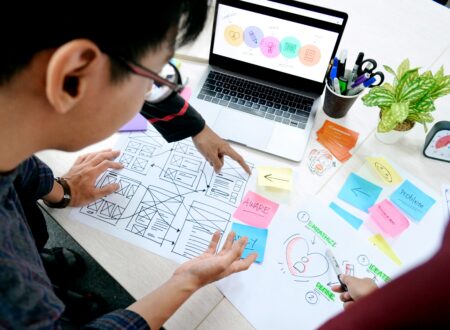
Writing down your ideas is a powerful first step. It allows you to structure your thoughts and see them more clearly. Sketching rough layouts or creating simple drafts can also help bring your vision closer to reality.
Inspiration plays an important role, but it should not limit your creativity. Explore different styles, observe trends, and learn from others, but always adapt ideas to your unique perspective.
A clear vision acts as a roadmap. It guides your decisions and keeps you focused throughout the design process. When you know what you want to achieve, it becomes easier to move forward with confidence.
2. Planning and Structuring Your Design
Once your vision is clear, the next step is planning. A good structure ensures that your design is not only creative but also functional.
Start by organizing your content and elements. Decide what information is most important and how it should be presented. A well-structured design makes it easier for users to understand and interact with your work.
Creating a layout is a key part of planning. Think about where each element will be placed and how they will relate to each other. Proper alignment, spacing, and hierarchy improve readability and visual appeal.
Wireframes are a useful tool in this stage. They provide a basic outline of your design without focusing on details. This helps you focus on structure before adding visual elements.
Planning also includes choosing the right tools and resources. Whether you are using design software or coding tools, selecting the right platform can improve your workflow.
A strong structure forms the backbone of your design. It ensures that your vision is translated into a clear and organized format.
3. Bringing Creativity into Execution
Execution is where your vision starts to come alive. This is the stage where you apply creativity to transform your plan into a visually appealing design.
Colors, typography, and imagery play a major role in this process. Choosing the right color palette sets the tone of your design, while typography ensures clarity and style.
Consistency is important during execution. Using consistent colors, fonts, and styles creates a cohesive look. This makes your design more professional and easier to understand.
Experimentation is also a part of creativity. Trying different combinations and styles can help you discover what works best. Do not be afraid to explore new ideas, but always keep your vision in mind.
Attention to detail is what makes a design stand out. Small elements like spacing, alignment, and contrast can significantly improve the overall quality.
Execution is not just about making something look good; it is about making it work effectively. When creativity is combined with purpose, your design becomes both beautiful and functional.
4. Testing, Improving, and Refining
No design is perfect in its first version. Testing and refinement are essential steps in turning your vision into reality.
Feedback plays a crucial role in this process. Sharing your design with others can provide new perspectives and help identify areas for improvement. Constructive feedback allows you to refine your work.
Usability testing is especially important for digital designs. Ensuring that your design is easy to use and understand improves the overall user experience.
Revisions are a natural part of the process. Making changes based on feedback and testing helps you improve your design step by step. Each revision brings you closer to your final goal.
It is also important to review your design critically. Look at it from the user’s perspective and identify any issues or inconsistencies.
Refinement requires patience and attention. Taking the time to improve your design ensures that the final result meets your expectations and delivers value.
5. Making Your Vision a Reality
The final step is bringing everything together and presenting your work. This is where your vision becomes a reality.
Launching or sharing your design requires confidence. Trust the process you have followed and believe in your work. Your design is a reflection of your creativity and effort.
Consistency in branding and presentation helps create a strong impression. Whether it is a website, a product, or a visual project, maintaining a clear identity makes your work more recognizable.
Continuous learning is important even after completion. Every project teaches you something new, helping you grow as a designer.
It is also important to stay open to improvement. Even after your design is complete, there may be opportunities to enhance it further.
Designing your vision into reality is a journey that requires clarity, creativity, and persistence. It is about turning ideas into something tangible and meaningful.
When you combine clear thinking, structured planning, creative execution, and continuous improvement, you create designs that not only exist but also make an impact.