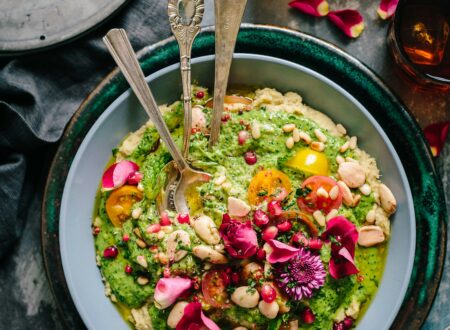

1. The Story Hidden in Every Bite
Food is more than just something we eat to survive—it is a reflection of history, culture, and emotion. Every dish carries a story, shaped by generations of tradition and experience. The phrase “Flavors That Tell a Story” beautifully captures this idea, reminding us that each bite we take has meaning beyond taste.
When you sit down to eat, you are not just consuming ingredients; you are experiencing a narrative. The spices used, the method of cooking, and even the way a dish is served all contribute to its story. For example, a traditional Indian curry may tell the story of ancient spice trade routes, while a simple bowl of pasta reflects centuries of Italian culinary evolution.
Food also holds personal stories. A homemade meal can remind you of your childhood, your family, or a special moment in your life. These emotional connections make food deeply meaningful.
In many cultures, recipes are passed down from generation to generation. These recipes are not just instructions—they are memories preserved over time. Each time a dish is prepared, the story continues.
Traveling allows us to explore these stories on a global scale. Every country, city, and even village has its own unique flavors and culinary traditions. By tasting these dishes, we learn about the people and their way of life.
In the end, food becomes a language that tells stories without words. It connects us to the past, brings us together in the present, and carries traditions into the future.
2. Cultural Heritage Served on a Plate
Every culture expresses itself through food. The ingredients, cooking styles, and flavors all reflect the environment and history of a place. Food becomes a representation of identity.
For instance, in India, the use of spices like turmeric, cumin, and coriander is not just about flavor—it is also about tradition and health. In Japan, the focus on fresh ingredients and presentation reflects a deep respect for nature and aesthetics. In Italy, simple yet rich dishes highlight the importance of quality ingredients.
These culinary traditions are shaped by geography. Coastal regions often feature seafood, while agricultural areas focus on grains and vegetables. Climate also plays a role in determining the types of ingredients available.
Food is also closely tied to cultural celebrations. Festivals, weddings, and special occasions often include traditional dishes that hold symbolic meaning. These meals are not just about eating—they are about celebrating heritage and bringing people together.
Street food is another important aspect of cultural identity. It offers a glimpse into everyday life and showcases authentic flavors. From spicy chaats to grilled delicacies, street food tells stories of local communities.
By exploring different cuisines, we gain insight into the values and traditions of different cultures. It helps us appreciate diversity and understand the world better.
3. The Journey of Ingredients and Traditions
Every dish has a journey—from the farm to the kitchen to the plate. This journey is filled with stories of people, places, and traditions.
Ingredients play a crucial role in shaping the identity of a dish. Local produce, seasonal availability, and traditional farming methods all influence the flavors. For example, the use of fresh herbs in Mediterranean cuisine or spices in Indian cooking reflects the natural resources of those regions.
The history of ingredients is also fascinating. Many spices and foods traveled across continents through trade routes. These exchanges led to the blending of cultures and the creation of new dishes.
Cooking techniques are another important part of this journey. Methods like grilling, steaming, frying, and baking have been developed over centuries. Each technique adds a unique touch to the dish.
Family traditions also play a role. Recipes are often modified and adapted over time, creating variations that reflect personal tastes and experiences.
Modern influences have also impacted traditional cuisine. Fusion dishes combine elements from different cultures, creating new flavors and experiences. While some traditions remain unchanged, others evolve with time.
Understanding the journey of food helps us appreciate the effort and history behind every meal. It reminds us that food is not just about taste, but about the stories that bring it to life.
4. Emotional Connections Through Food
Food has a unique ability to evoke emotions. A single bite can bring back memories, create joy, or provide comfort. This emotional connection is what makes food so special.
Think about a dish that reminds you of home. It could be something your mother cooked or a meal you shared with loved ones. These memories are tied to emotions, making the experience of eating more meaningful.
Food is often associated with celebrations and special moments. Birthdays, festivals, and family gatherings are incomplete without delicious meals. These occasions create lasting memories.
Comfort food is another example of emotional connection. During stressful times, people often turn to familiar dishes that provide a sense of security and warmth.
Sharing food also strengthens relationships. Sitting together and enjoying a meal creates a sense of connection and belonging. It allows people to communicate and bond.
Traveling and trying new foods also create emotional experiences. The excitement of tasting something new or the joy of discovering a favorite dish adds to the journey.
Food, in many ways, becomes a part of our identity. It reflects our experiences, our culture, and our emotions.
5. Preserving Stories Through Culinary Experiences
As the world changes, it becomes important to preserve culinary traditions and the stories they carry. Food is a living heritage that connects generations.
One way to preserve these stories is by continuing traditional cooking practices. Preparing recipes passed down through generations keeps the history alive.
Documenting recipes and sharing them with others is another way. Cookbooks, blogs, and videos help spread knowledge and ensure that these traditions are not lost.
Supporting local cuisine and small businesses also plays a role. By choosing authentic food experiences, we contribute to preserving cultural heritage.
At the same time, innovation is also important. While preserving tradition, new ideas and techniques can bring fresh perspectives to cuisine. This balance between tradition and innovation keeps food culture dynamic.
Education is another key factor. Teaching younger generations about traditional foods and their significance ensures that these stories continue