1. The Art of Slowing Down in a Fast-Paced World
In today’s world, everything moves at lightning speed. From instant messaging to fast food deliveries, convenience has become the center of modern living. While this fast-paced lifestyle has its advantages, it often comes at a cost—the loss of meaningful experiences. Meals are rushed, conversations are shortened, and moments are overlooked.
“Savor the moment” is more than just a phrase; it’s a philosophy. It encourages us to pause, breathe, and truly experience life as it unfolds. When applied to food, this philosophy transforms eating from a routine activity into a mindful ritual. Instead of gulping down meals while scrolling through our phones, we begin to appreciate the colors, textures, aromas, and flavors on our plate.
Food is deeply connected to emotions, memories, and culture. A simple home-cooked meal can take you back to childhood, while a street snack might remind you of carefree evenings with friends. By slowing down, we allow ourselves to reconnect with these experiences.
Mindful eating also has physical benefits. It improves digestion, prevents overeating, and helps us develop a healthier relationship with food. When we eat slowly, our brain gets enough time to signal fullness, reducing the chances of overindulgence.
In a world that constantly pushes us to move faster, choosing to slow down—even for a meal—is a powerful act. It allows us to reclaim control over our time and reconnect with ourselves.
2. Exploring Flavors: A Journey Through Taste and Culture
Flavor is not just about taste; it’s an experience shaped by culture, geography, and tradition. Every dish tells a story. From the spicy curries of India to the delicate pastries of France, flavors carry the essence of a region and its people.
When we explore new cuisines, we are not just trying different foods—we are stepping into different cultures. Each ingredient has a purpose, each spice has a history, and each cooking technique has been refined over generations.
Take Indian cuisine, for example. The use of spices like turmeric, cumin, and coriander is not random. These spices not only enhance flavor but also offer health benefits. Similarly, Italian cuisine focuses on simplicity, using fresh ingredients to create dishes that are both comforting and elegant.
Street food, in particular, offers a unique window into local culture. Whether it’s pani puri in India, tacos in Mexico, or ramen in Japan, street food reflects the heart of a community. It’s affordable, accessible, and full of flavor.
Exploring flavors also broadens our palate. It teaches us to appreciate different taste profiles—sweet, sour, salty, bitter, and umami. Over time, we become more adventurous and open to trying new things.
Food has the power to bring people together. Sharing a meal creates bonds, sparks conversations, and builds connections. In a world divided by differences, food acts as a universal language that everyone understands.
3. The Emotional Connection Between Food and Memories
Have you ever tasted something that instantly reminded you of a specific moment in your life? Maybe it was your grandmother’s cooking, a festive meal, or a late-night snack with friends. Food has a unique ability to trigger memories and emotions.
This connection exists because our senses—especially taste and smell—are closely linked to the brain’s memory center. When we experience a particular flavor, it can bring back vivid memories from the past.
Family meals, in particular, play a significant role in shaping our emotional connection with food. Sitting together at the dining table, sharing stories, and enjoying home-cooked meals create lasting memories. These moments often become the foundation of our relationship with food.
Celebrations and festivals also revolve around food. Whether it’s sweets during Diwali, cakes on birthdays, or special dishes during weddings, food becomes a symbol of joy and togetherness.
Even comfort food has emotional significance. When we feel stressed or sad, we often crave familiar dishes that make us feel better. These foods provide a sense of comfort and security.
Understanding this emotional connection helps us appreciate food beyond its nutritional value. It becomes more than just fuel—it becomes a source of happiness, nostalgia, and connection.
4. Mindful Eating: Turning Every Meal Into an Experience
Mindful eating is the practice of being fully present while eating. It involves paying attention to every aspect of the meal—the taste, texture, aroma, and even the way food looks on the plate.
To practice mindful eating, start by eliminating distractions. Turn off the TV, put away your phone, and focus on your meal. Take small bites, chew slowly, and notice how the flavors evolve with each bite.
Another important aspect of mindful eating is gratitude. Before you start eating, take a moment to appreciate the effort that went into preparing the meal. From the farmers who grew the ingredients to the person who cooked the dish, every meal is the result of many contributions.
Mindful eating also encourages us to listen to our body. Instead of eating out of habit or boredom, we learn to recognize true hunger and fullness. This helps in maintaining a balanced diet and avoiding overeating.
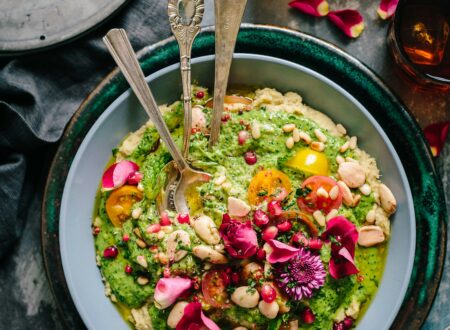
Presentation plays a role too. A well-plated meal enhances the overall experience. Colors, arrangement, and even the choice of utensils can influence how we perceive food.
By turning meals into experiences, we add value to our daily routine. Eating becomes something to look forward to, rather than just another task to complete.
5. Creating Moments Worth Savoring
Life is made up of moments, and some of the best ones are centered around food. Whether it’s a family dinner, a date night, or a solo meal, every eating experience has the potential to become memorable.
Creating such moments doesn’t require anything extravagant. Sometimes, it’s the simplest things that matter the most—a homemade meal, a heartfelt conversation, or even a cup of chai enjoyed in peace.
Cooking can also be a way to create meaningful moments. Trying new recipes, experimenting with flavors, and cooking for loved ones can be both fun and fulfilling. It allows you to express creativity and share joy with others.
Dining with others strengthens relationships. It provides an opportunity to connect, communicate, and spend quality time together. In today’s busy world, such moments are becoming rare, making them even more valuable.
Even when you’re alone, you can create moments worth savoring. Set the table, play some music, and enjoy your meal without distractions. Treat yourself with the same care and attention you would give to others.
“Savor the flavor” is about appreciating the richness of food, while “savor the moment” is about appreciating the richness of life. When combined, they create a holistic experience that nourishes both the body and the soul.