1. The Art of Mindful Eating
In today’s fast-paced lifestyle, eating has often become a rushed activity. Meals are consumed quickly, sometimes without even noticing the taste. Mindful eating changes this experience by encouraging you to slow down and truly enjoy every bite.
Mindful eating is about being present. It means paying attention to the flavors, textures, and aromas of your food. When you eat with awareness, even a simple meal can become enjoyable and satisfying.
This practice also helps improve your relationship with food. Instead of eating out of habit or stress, you begin to eat with intention. It allows you to recognize when you are truly hungry and when you are full.
Savoring each bite not only enhances your experience but also promotes better digestion and overall well-being.
2. Exploring the Diversity of Flavors
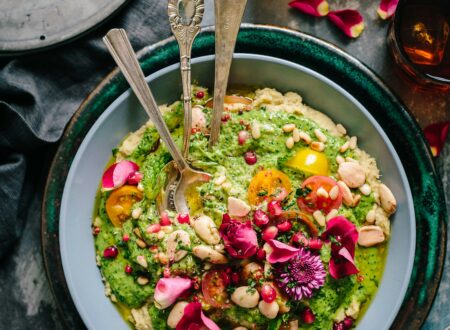
Food offers an incredible variety of flavors—from sweet and savory to spicy and tangy. Each flavor brings a unique experience and contributes to the richness of your meals.
Different cuisines around the world showcase this diversity. Some focus on bold and intense flavors, while others emphasize subtle and balanced tastes. Exploring these variations helps you appreciate the creativity behind cooking.
Trying new foods expands your palate. It allows you to discover combinations you may not have considered before. Over time, you develop a deeper understanding of taste.
Celebrating flavors means being open to new experiences. It is about enjoying the differences and appreciating the uniqueness of each dish.
3. The Role of Ingredients and Cooking Techniques
The magic of food lies in how ingredients are combined and prepared. Fresh and high-quality ingredients form the foundation of a great dish, while cooking techniques bring out their best qualities.
Each ingredient contributes its own flavor, texture, and aroma. The way these elements are balanced determines the overall experience of the dish.
Cooking techniques such as grilling, roasting, or steaming can transform the same ingredients into completely different dishes. These methods add depth and variety to the flavors.
Spices and seasonings play a crucial role in enhancing taste. They add character and complexity, turning simple ingredients into something extraordinary.
Understanding the role of ingredients and techniques helps you appreciate the effort and skill behind every meal.
4. Food as a Celebration of Culture and Togetherness
Food is more than nourishment—it is a way of bringing people together. Across cultures, meals are often associated with celebrations, traditions, and shared experiences.
Family gatherings, festivals, and special occasions are often centered around food. These moments create memories that last a lifetime.
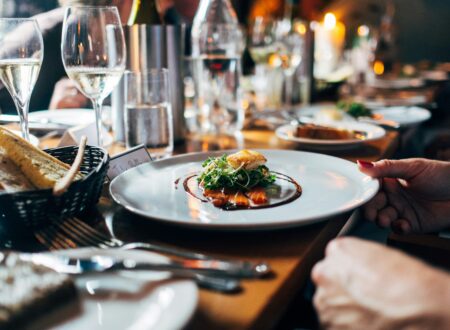
Sharing a meal fosters connection. It provides an opportunity to bond, communicate, and enjoy each other’s company. Food becomes a medium for building relationships.
Cultural dishes also tell stories. They reflect traditions, history, and the identity of a community. By experiencing these foods, you gain insight into different cultures.
Celebrating every flavor means appreciating not just the taste but also the meaning behind it.
5. Creating a Joyful and Balanced Food Experience
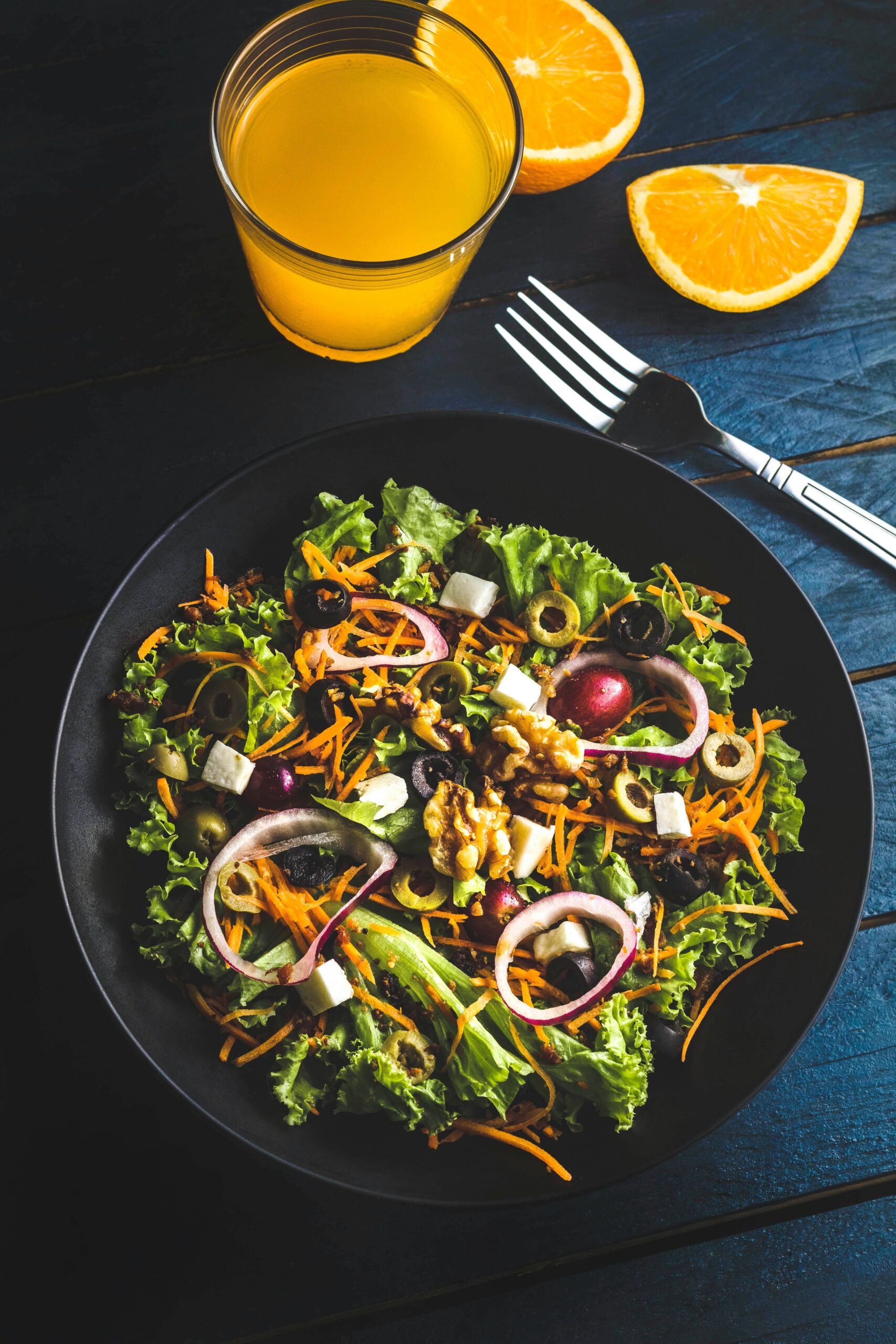
Enjoying food fully requires balance. While it is important to indulge in flavors, it is equally important to maintain a healthy approach to eating.
A balanced diet ensures that your body gets the nutrients it needs while still allowing you to enjoy your favorite foods. Moderation is key to maintaining this balance.
Creating a joyful food experience also involves experimenting. Trying new recipes, cooking at home, and exploring different cuisines can make meals more exciting.
Gratitude plays a role as well. Appreciating the effort that goes into preparing food—whether by yourself or others—enhances your experience.
When you savor every bite and celebrate every flavor, eating becomes more than just a routine. It becomes a moment of joy, connection, and appreciation.