1. Understanding Self-Love as the Foundation of Beauty
Beauty is often seen as something external—flawless skin, perfect features, or stylish appearance. However, true beauty begins much deeper, within the way you see and treat yourself. Self-love is the foundation upon which genuine beauty is built.
Self-love means accepting yourself fully, including your strengths and imperfections. It is about recognizing your worth without depending on external validation. When you develop this mindset, your confidence grows naturally.
In a world where comparison is common, self-love helps you stay grounded. Instead of measuring yourself against others, you focus on your own journey. This shift in perspective allows you to appreciate your uniqueness.
When you love yourself, it reflects in your energy, your expressions, and your interactions. This inner positivity becomes your true beauty, making you stand out effortlessly.
2. Letting Go of Comparison and Unrealistic Standards
One of the biggest obstacles to self-love is comparison. Social media and societal expectations often create unrealistic standards of beauty, making people feel inadequate.
It is important to understand that what you see online is often edited and curated. Comparing your real life to someone else’s highlights can lead to unnecessary self-doubt.
Letting go of comparison means focusing on your own progress and growth. Everyone has a unique journey, and your beauty does not need to match anyone else’s.
Unrealistic standards can also create pressure to look or behave a certain way. Breaking free from these expectations allows you to embrace your natural self.
When you stop comparing and start accepting, you create space for self-love to grow. This acceptance is what enhances your natural beauty.
3. Caring for Yourself Inside and Out
Self-love is not just a mindset—it is also reflected in how you take care of yourself. This includes both your physical and mental well-being.
Taking care of your body through proper nutrition, exercise, and rest helps you feel stronger and more energized. These habits contribute to your overall appearance and health.
Mental care is equally important. Managing stress, practicing mindfulness, and engaging in activities you enjoy help maintain emotional balance.
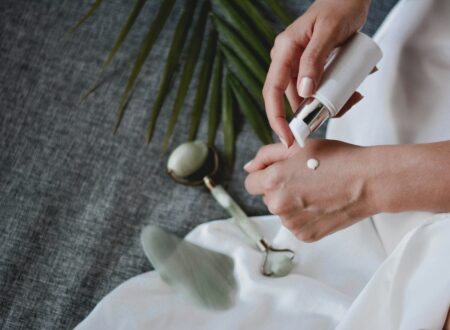
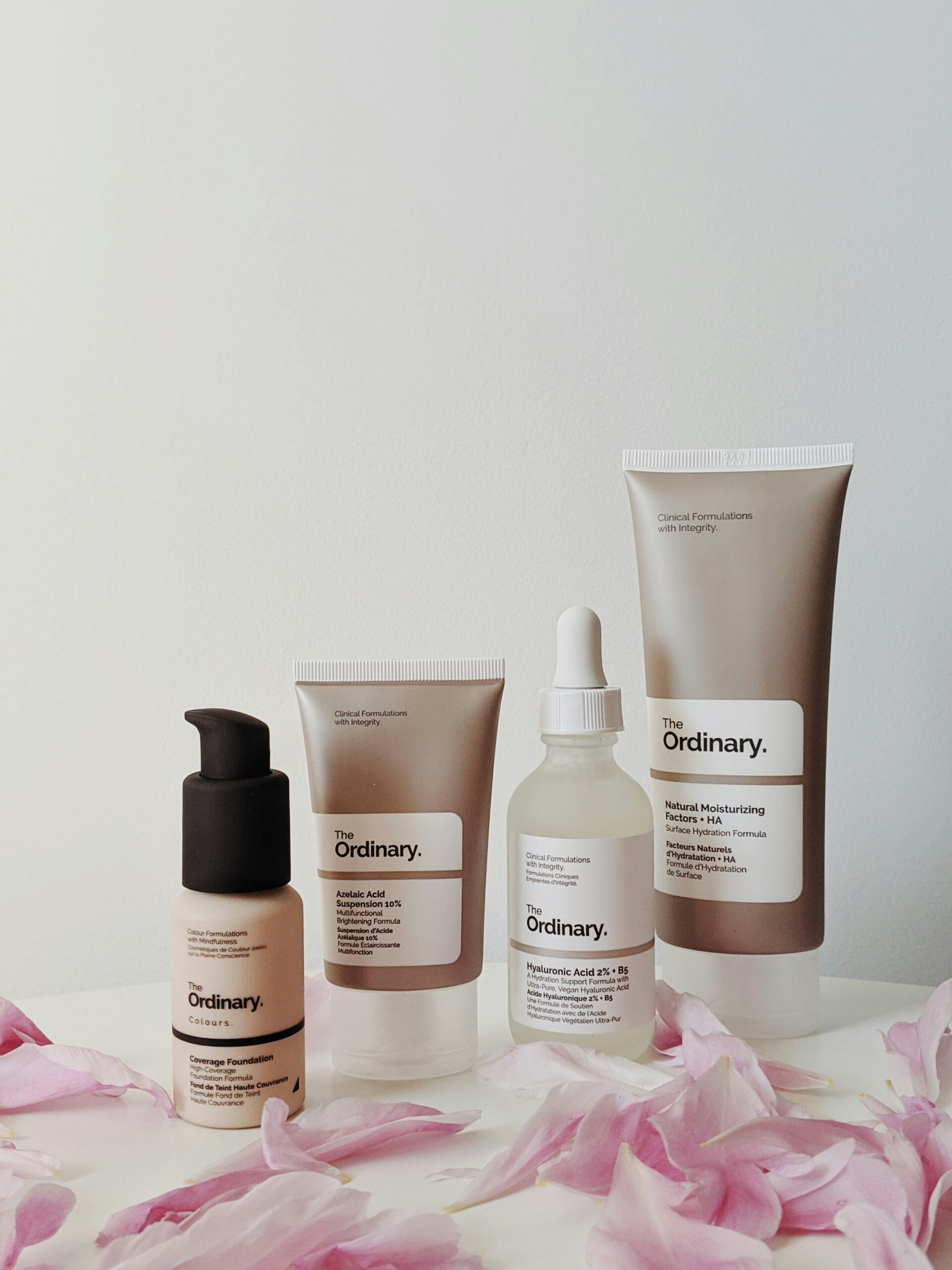
Skincare and grooming can also be a part of self-love. These practices are not about changing yourself but about nurturing and appreciating your natural features.
When you care for yourself consistently, you send a message that you value yourself. This self-respect enhances both your inner and outer beauty.
4. Building Confidence Through Self-Acceptance
Confidence is a direct result of self-love. When you accept yourself as you are, you no longer feel the need to hide or change to fit in.
Self-acceptance means embracing your individuality. Your unique features, personality, and experiences are what make you who you are. Instead of seeing them as flaws, viewing them as strengths can boost your confidence.
Confidence also affects how you present yourself. Your posture, body language, and communication all reflect how you feel about yourself.
It is important to remember that confidence grows over time. It is built through positive experiences, self-reflection, and consistent self-care.
When you are confident, your beauty becomes more noticeable. It is not just about how you look but how you carry yourself.
5. Embracing Your Unique Beauty Every Day
Self-love is a daily practice. It is about making choices that support your well-being and appreciating yourself consistently.
Start by being kind to yourself. Replace negative thoughts with positive ones and focus on your strengths. This shift in mindset can improve your overall outlook.
Celebrate your individuality. Instead of trying to fit into a mold, embrace what makes you different. Your uniqueness is your greatest asset.
Surround yourself with positive influences. People who support and uplift you can help reinforce your sense of self-worth.
Finally, remember that beauty is not a destination—it is a journey. It evolves as you grow and learn more about yourself.