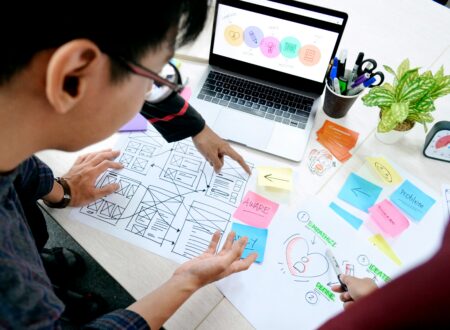

1. The Shift from Hard Design to Smart Design
Design is no longer just about making things look good—it’s about making them work effectively. In the past, designers often focused heavily on visuals, sometimes overlooking usability and purpose. Today, smart design has become the key to creating meaningful impact.
Designing smarter means being intentional with every choice. Instead of adding elements just for decoration, each component should serve a purpose. Whether it’s a button on a website or a color in a logo, everything should contribute to the overall goal.
Smart design also involves understanding the user. It’s about thinking from the viewer’s perspective—what they need, how they interact, and what makes their experience better. This user-focused approach ensures that your design is not just attractive but also functional.
Efficiency is another important aspect. Smart design avoids unnecessary complexity and focuses on clarity. By simplifying your design, you make it easier for users to understand and engage with your content.
The shift from hard design to smart design is about working with purpose, strategy, and awareness. It transforms design from a visual activity into a powerful tool for communication and problem-solving.
2. Understanding Your Audience and Purpose
A strong design starts with a clear understanding of its purpose and audience. Without this clarity, even the most visually appealing design can fail to make an impact.
Before starting any project, ask yourself: Who is this design for? What problem does it solve? What action do I want the user to take? These questions help define the direction of your design.
Different audiences have different preferences and expectations. A design for a professional audience may require a clean and formal look, while a design for a younger audience may be more vibrant and dynamic. Understanding these differences allows you to create designs that resonate with your target users.
Purpose gives your design direction. It ensures that every element has a role to play. When your design is aligned with its purpose, it becomes more effective and meaningful.
By focusing on your audience and purpose, you create designs that not only look good but also deliver results.
3. Using Simplicity to Maximize Impact
One of the smartest approaches in design is simplicity. While it may be tempting to add multiple elements to make a design stand out, too much complexity can reduce its effectiveness.
Simple design is easier to understand and more visually appealing. It allows the viewer to focus on the most important elements without distraction. This clarity enhances the overall impact of the design.
Whitespace plays a key role in simplicity. It creates balance and improves readability by giving elements space to breathe. Proper use of whitespace can make a design feel more organized and professional.
Limiting colors and fonts also contributes to simplicity. A consistent color palette and typography create a cohesive look, making your design more memorable.
Simplicity does not mean lack of creativity—it means focusing on what truly matters. By removing unnecessary elements, you amplify the strength of your message.
4. Leveraging Design Principles for Better Results
Smart design is guided by fundamental principles that ensure effectiveness and balance. These principles help you create designs that are not only visually appealing but also functional.
Hierarchy is one of the most important principles. It helps organize information and guides the viewer’s attention. By emphasizing key elements, you make it easier for users to understand your message.
Contrast enhances visibility and readability. Using contrasting colors or sizes helps important elements stand out. This makes your design more engaging and easier to navigate.
Alignment creates structure and order. Proper alignment ensures that your design looks clean and organized. It also improves the overall flow of information.
Consistency is crucial for building a strong visual identity. Using consistent styles, colors, and fonts across your design creates a sense of unity and professionalism.
By applying these principles, you can create designs that are both effective and impactful.
5. Creating Lasting Impact Through Smart Design
The ultimate goal of design is to create an impact that lasts. A smart design not only captures attention but also leaves a lasting impression on the viewer.
To achieve this, focus on clarity and purpose. A clear message is easier to remember and more likely to influence the audience. Avoid overcomplicating your design—simplicity often leads to stronger impact.
Emotional connection also plays a significant role. Designs that evoke feelings are more memorable. Whether it’s excitement, trust, or curiosity, creating an emotional response enhances your design’s effectiveness.
Innovation can further strengthen your impact. Introducing unique elements or creative ideas helps your design stand out from the crowd. However, innovation should always support the overall purpose.
Finally, always evaluate and improve your designs. Learning from feedback and refining your work ensures continuous growth and better results.