1. The Birth of an Idea
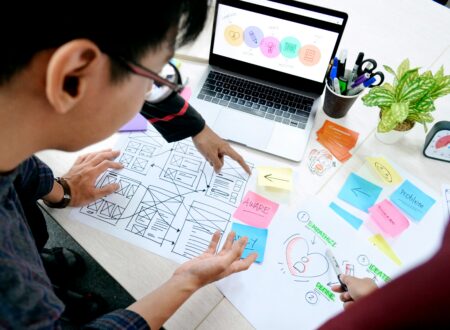
Every great design begins with a simple idea. This initial concept may be rough or unclear, but it holds the potential to become something impactful. The first step is to explore and understand that idea deeply.
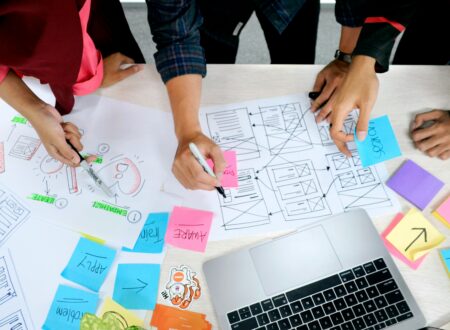
Brainstorming helps in shaping the concept. Writing down thoughts, sketching rough layouts, and exploring different directions can bring clarity. At this stage, creativity should flow freely without limitations.
Understanding the purpose behind the idea is essential. Ask yourself what problem you are solving and who your design is for. A clear purpose gives direction to your creativity.
The stronger your concept, the easier it becomes to turn it into a meaningful design.
2. Transforming Ideas into Visual Direction
Once the concept is clear, the next step is to translate it into a visual direction. This involves deciding how your idea will look and feel.
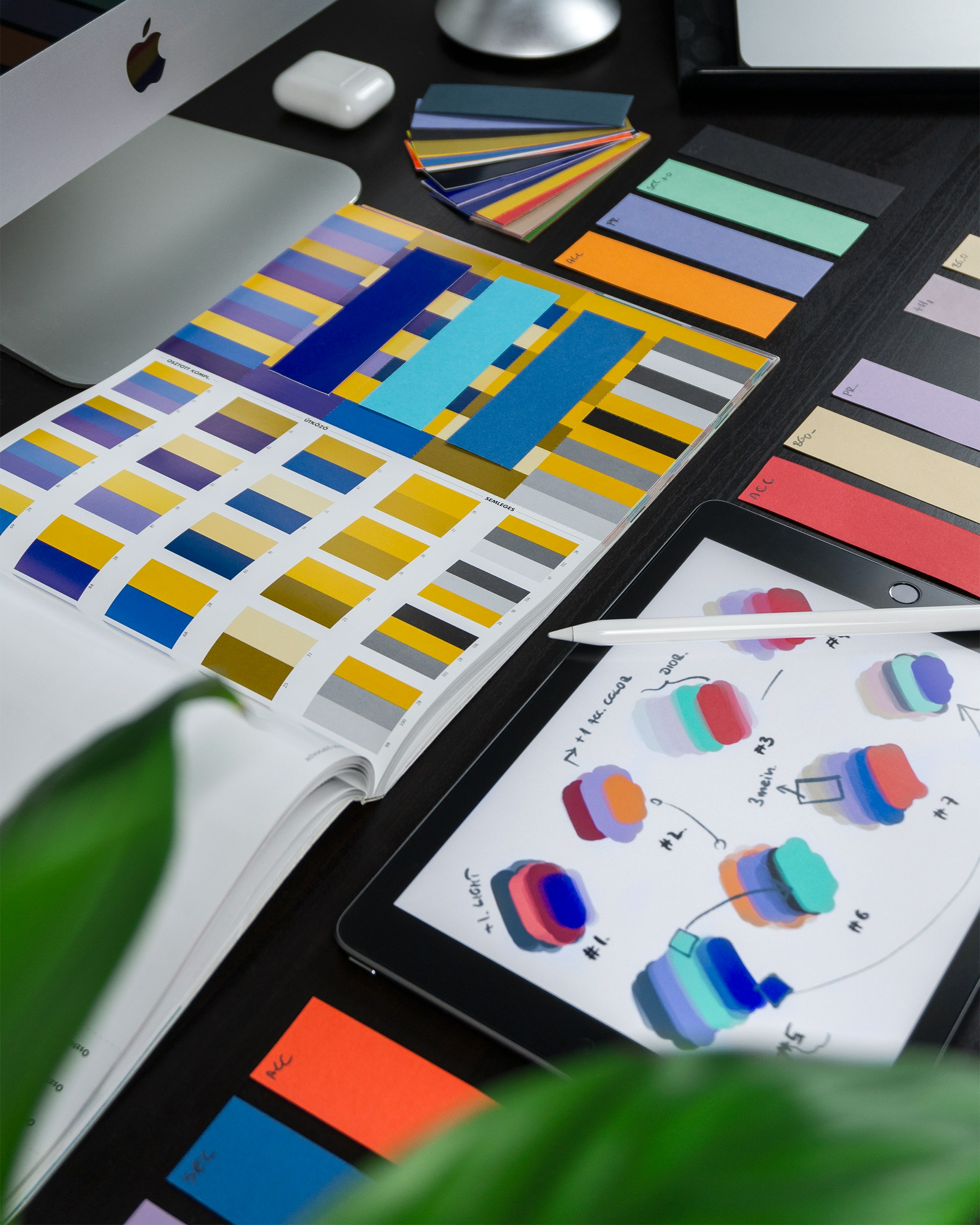
Choosing colors, typography, and layout styles helps define the visual identity. These elements should align with the message and purpose of your design.
Mood boards and references can help you stay consistent. They provide inspiration and guide your creative decisions.
At this stage, experimentation is important. Trying different styles and variations allows you to find the best approach.
A strong visual direction ensures that your design communicates clearly and effectively.
3. The Process of Creation and Execution
This is where your idea begins to take shape. The creation phase involves turning your vision into a tangible design.
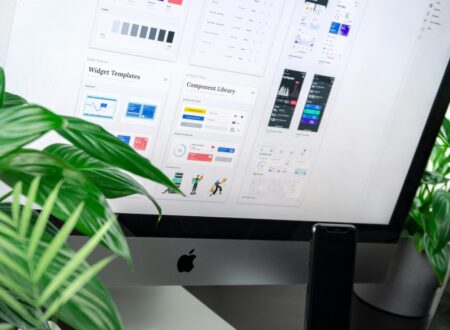
Using design tools, you start building layouts, adding elements, and refining details. This process requires both creativity and technical skill.
Focus on structure and balance. Proper alignment, spacing, and hierarchy make your design more organized and appealing.
It is important to stay patient during this stage. Good design takes time and effort.
Execution is not just about making something look good—it is about making it work effectively.
4. Refining Through Feedback and Iteration
No design is perfect on the first attempt. Refinement is a crucial part of the process.
Seeking feedback helps you identify areas for improvement. Fresh perspectives can reveal things you might have missed.
Making adjustments based on feedback improves both functionality and aesthetics. Small changes can have a big impact.
Iteration is about testing, improving, and evolving your design. Each version brings you closer to the final result.
Being open to change is essential. It allows your design to grow and reach its full potential.
5. Delivering Impact Through Final Design
The final stage is about presenting your design with confidence. A well-executed design should communicate clearly and leave a lasting impression.
Consistency in style and message ensures that your design feels complete and professional.
A successful design not only looks good but also serves its purpose effectively. It should solve problems, engage users, and deliver value.
Reflection is also important. Reviewing your work helps you learn and improve for future projects.
In the end, the journey from concept to creation is what defines the art of design. It is a process of imagination, execution, and refinement.