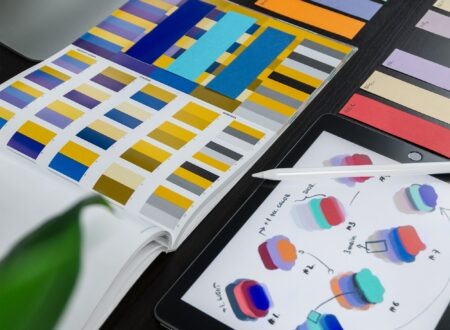

1. Understanding the Digital Landscape
In today’s fast-paced environment, design is no longer just about appearance—it is about solving problems in a digital space. Users interact with websites, apps, and platforms daily, and their expectations are higher than ever.
A modern digital world demands speed, clarity, and ease of use. People want quick access to information without confusion. This makes it essential to design with the user’s needs in mind.
Technology is constantly evolving, and design must adapt along with it. New devices, screen sizes, and platforms require flexible and responsive solutions.
Understanding the digital landscape helps designers create experiences that are relevant, efficient, and user-friendly.
2. Prioritizing User Experience
At the core of smart design is user experience. A visually appealing design is important, but if it is not easy to use, it loses its value.
User experience focuses on how people interact with your product. Navigation should be simple, content should be clear, and actions should be easy to perform.
Reducing friction is key. The fewer steps a user has to take, the better their experience will be.
Feedback and testing play an important role. Observing how users interact with your design helps you identify and fix issues.
When you prioritize user experience, your design becomes more effective and meaningful.
3. Simplicity and Functionality
Smart design is built on simplicity. In a digital world full of distractions, a clean and organized layout stands out.
Simplicity improves usability. When users can easily understand and navigate your design, they are more likely to stay engaged.
Functionality is equally important. Every element should serve a purpose and contribute to the overall goal.
Avoid unnecessary features that can confuse users. Focus on what truly matters.
Balancing simplicity with functionality creates a design that is both efficient and enjoyable to use.
4. Responsive and Adaptive Design
Modern users access digital content on various devices—phones, tablets, and desktops. This makes responsive design essential.
A responsive design adjusts to different screen sizes and ensures a consistent experience across devices.
Flexibility is key. Layouts, images, and text should adapt without losing quality or readability.
Performance also matters. Fast loading times and smooth interactions improve user satisfaction.
Designing for multiple platforms ensures that your product reaches a wider audience effectively.
5. Innovation and Future Growth
The digital world is constantly changing, and smart design must keep evolving. Innovation plays a key role in staying relevant.
Exploring new tools, trends, and technologies helps you create fresh and engaging experiences. This keeps your design modern and competitive.
Continuous improvement is important. Learning from feedback and updating your design ensures long-term success.
Staying curious and open to change allows you to grow as a designer.
In the end, smart design for a modern digital world is about combining functionality, simplicity, and innovation. It is about creating solutions that are not only visually appealing but also practical and user-focused.