
1. The Universal Language of Food
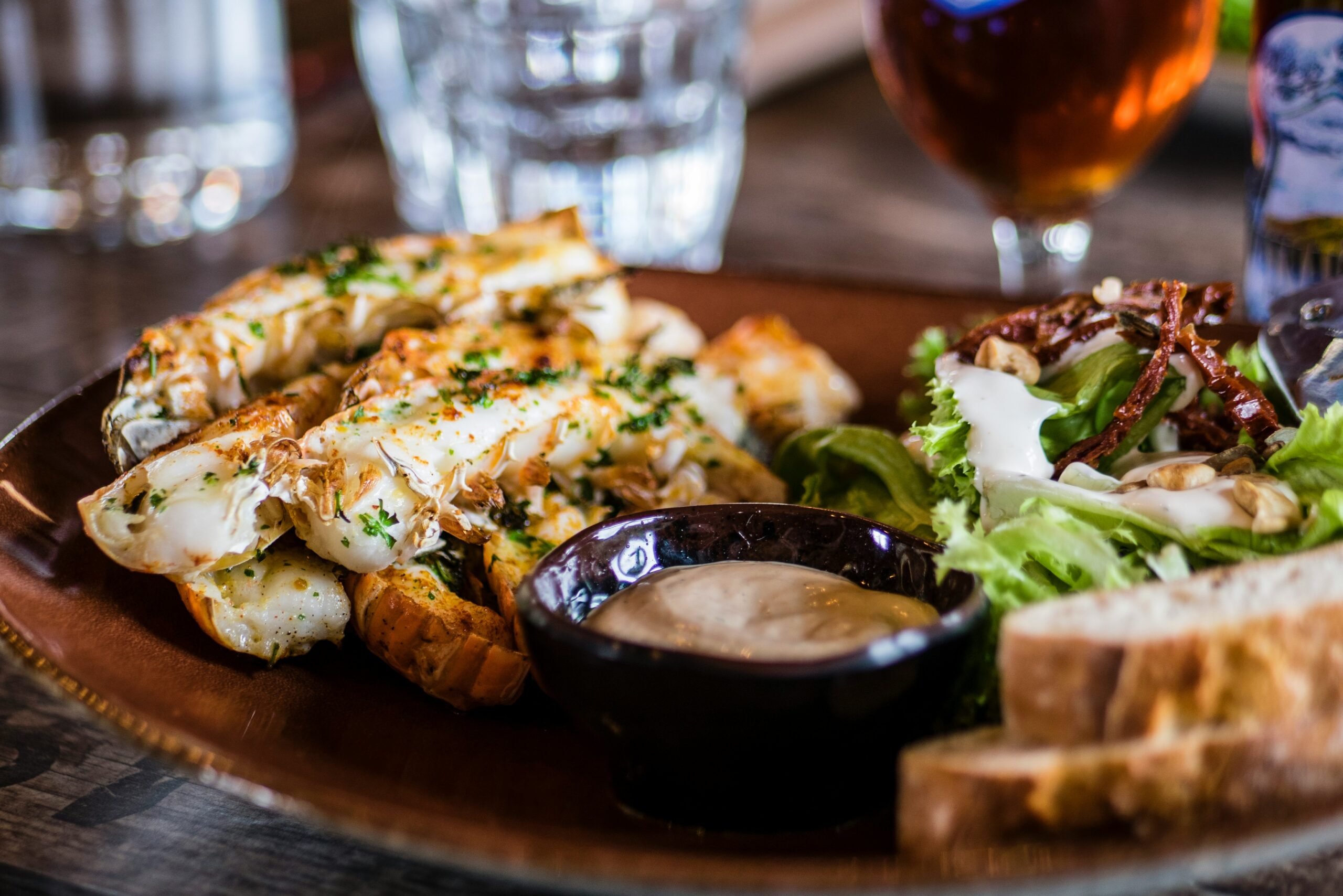
Food is one of the few things in the world that truly connects everyone. No matter where you come from, what language you speak, or what culture you belong to, food is something we all understand. The phrase “Taste the World, One Bite at a Time” beautifully captures the idea that through food, we can explore the diversity of the world.
Every dish carries a story. It reflects the history, traditions, climate, and lifestyle of the people who created it. From spicy street food in India to delicate pastries in France, every bite offers a glimpse into a different way of life.
Food is also a powerful way to bring people together. Families gather around dining tables, friends bond over meals, and strangers become friends while sharing food. It creates connections that go beyond words.
In today’s globalized world, it has become easier than ever to explore different cuisines. Restaurants, food festivals, and travel opportunities allow us to experience flavors from around the globe. However, nothing compares to tasting a dish in its place of origin, where it is made with authentic ingredients and traditional methods.
Exploring food is like traveling without moving. Each bite takes you to a new place, introducing you to new cultures and traditions. It opens your mind and expands your understanding of the world.
Food also evokes emotions. A familiar taste can bring back childhood memories, while a new flavor can create excitement and curiosity. These emotional connections make food an important part of our lives.
In the end, food is more than just nourishment—it is an experience, a connection, and a journey.
2. Exploring Cultures Through Cuisine
One of the most fascinating ways to understand a culture is through its food. Every cuisine has its own identity, shaped by geography, history, and tradition.
For example, coastal regions often have seafood-based dishes, while mountainous areas rely on hearty and warming meals. Spices, herbs, and cooking techniques vary from place to place, creating unique flavors and textures.
When you taste a traditional dish, you are experiencing a part of that culture’s heritage. Recipes are often passed down through generations, preserving the history and traditions of a community.
Street food is one of the best ways to explore local cuisine. It is authentic, affordable, and full of flavor. Whether it’s chaat in India, tacos in Mexico, or noodles in Thailand, street food offers a true taste of local life.
Dining customs also vary across cultures. In some places, meals are a quick activity, while in others, they are long and social events. Understanding these customs helps you appreciate the cultural significance of food.
Food also reflects cultural values. For example, some cultures emphasize sharing and community, while others focus on presentation and artistry. These differences make food exploration even more interesting.
By exploring different cuisines, you not only enjoy delicious meals but also gain a deeper understanding of the world and its diversity.
3. The Joy of Trying New Flavors
Trying new foods can be both exciting and intimidating. The unfamiliar ingredients, textures, and tastes may seem strange at first, but they often lead to delightful discoveries.
Stepping out of your comfort zone is an important part of food exploration. You might hesitate to try a dish because it looks different or smells unfamiliar, but taking that first bite can change your perception.
New flavors can surprise you. A combination of ingredients you never imagined can create a taste that is unforgettable. Sweet, spicy, sour, and savory flavors come together in unique ways in different cuisines.
Food exploration also helps develop your palate. The more you try, the more you learn to appreciate different tastes and textures. Over time, you become more adventurous and open to new experiences.
Trying new foods also creates memorable experiences. You might remember the first time you tried sushi, pasta, or a spicy curry. These moments become stories you share with others.
Food is also a form of adventure. Just like traveling to a new place, trying a new dish brings excitement and curiosity. It keeps life interesting and adds variety to your routine.
In the end, the joy of trying new flavors lies in the willingness to explore and embrace the unknown.
4. Food as an Experience, Not Just a Meal
In many cultures, food is not just about eating—it is about the entire experience. From the ambiance of a restaurant to the presentation of a dish, every element contributes to the overall enjoyment.
Dining can be a sensory experience. The aroma of freshly cooked food, the vibrant colors on a plate, the texture of ingredients, and the taste of flavors all come together to create a memorable moment.
Sharing meals with others enhances this experience. Conversations, laughter, and bonding make food more enjoyable. It turns a simple meal into a meaningful occasion.
Food experiences also include cooking. Preparing a dish allows you to connect with the ingredients and understand the effort that goes into creating a meal. It can be a relaxing and rewarding activity.
Food festivals and culinary events are another way to experience food. They bring together different cuisines, chefs, and food lovers, creating a vibrant and exciting atmosphere.
Traveling for food is also becoming popular. Many people choose destinations based on their cuisine, exploring local dishes and culinary traditions. This shows how important food has become in our lives.
In the end, food is not just about satisfying hunger—it is about creating experiences and memories.
5. Creating Memories One Bite at a Time
The most beautiful aspect of food is the memories it creates. Every meal has the potential to become a cherished memory.
Think about your favorite food memories. It could be a family dinner, a festive celebration, or a meal during a trip. These moments are special because they are associated with emotions and experiences.
Food has the power to bring people together. Sharing a meal creates a sense of connection and belonging. It strengthens relationships and creates lasting bonds.
Traveling and tasting different cuisines also create unforgettable memories. Each place you visit leaves a mark through its flavors and dishes.
Even simple meals can become meaningful. A cup of tea on a rainy day, a homemade dish, or a late-night snack with friends—these small moments add joy to life.
Food also allows you to relive memories. A familiar taste can take you back to a specific moment in time, making you feel the same emotions again.