
1. The Fusion of Imagination and Design
Imagination is the starting point of every great design. It is the ability to think beyond reality, to visualize ideas that do not yet exist, and to transform those ideas into something meaningful. Design, on the other hand, is the process of giving structure and form to those ideas. When imagination and design come together, they create something truly powerful.
Imagination allows designers to explore endless possibilities. It encourages creativity and innovation, helping them break free from conventional thinking. However, without design, imagination remains abstract. Design brings clarity, turning creative thoughts into tangible visuals that others can understand and appreciate.
This fusion is what leads to impactful creations. It allows designers to not only think differently but also present their ideas in a way that resonates with their audience. Whether it’s a website, a logo, or a digital product, the balance between imagination and design determines its effectiveness.
True design excellence lies in this balance—where creativity meets structure, and ideas are transformed into meaningful experiences.
2. From Concept to Creation: Shaping Ideas into Reality
Every design begins with a concept. This concept is often inspired by imagination, but it needs to be refined and developed into a clear direction. The journey from concept to creation involves several stages, each contributing to the final outcome.
The first step is understanding the purpose. What problem does the design solve? Who is the target audience? Answering these questions helps define the direction of the design and ensures that it serves a meaningful purpose.
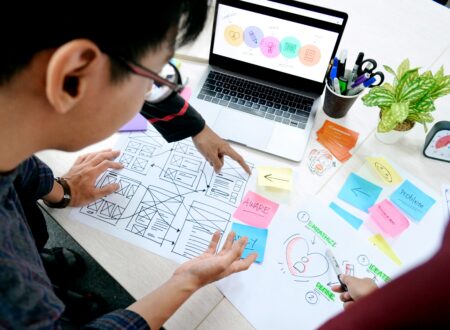
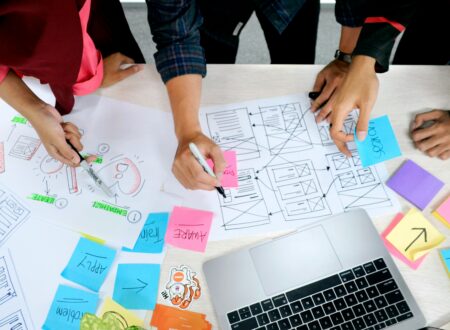
Next comes ideation. This is where imagination plays a major role. Brainstorming, sketching, and experimenting with different ideas help you explore various possibilities. At this stage, there are no limits—creativity flows freely.
Once ideas are generated, the focus shifts to execution. This involves selecting the best concept and refining it using design principles. Layout, color, typography, and structure are carefully considered to create a balanced and visually appealing design.
Finally, the design is polished and finalized. Attention to detail ensures that the final product is both functional and aesthetically pleasing.
Turning imagination into reality requires both creativity and discipline. It is a process that transforms ideas into impactful designs.
3. The Role of Innovation in Perfect Design
Perfect design is not just about following rules—it is about innovation. Innovation allows designers to create something new, unique, and memorable. It is what sets great designs apart from ordinary ones.
In a world filled with similar content, standing out requires fresh ideas and creative thinking. Innovation can be seen in the use of new layouts, unique color combinations, or interactive elements that enhance user experience.
However, innovation should not compromise usability. A design may look unique, but if it is difficult to understand or use, it loses its effectiveness. The challenge is to find a balance between creativity and functionality.
Experimentation is key to innovation. Trying new techniques, exploring different styles, and learning from failures can lead to breakthroughs. Not every idea will work, but each attempt contributes to growth.
Perfect design is not about perfection in the traditional sense—it is about creating something that is both innovative and effective. It is about pushing boundaries while maintaining clarity and purpose.
4. Balancing Aesthetics with Functionality
A design may look beautiful, but if it does not serve its purpose, it cannot be considered perfect. Functionality is just as important as aesthetics. The best designs are those that combine both seamlessly.
Aesthetics attract attention. Colors, images, and layouts create visual appeal and draw the viewer in. However, functionality ensures that the design is useful and easy to navigate.
User experience (UX) plays a crucial role in this balance. A well-designed interface should guide users effortlessly, helping them achieve their goals without confusion. Clear navigation, readable text, and intuitive layouts contribute to a positive experience.
Simplicity often enhances functionality. Removing unnecessary elements and focusing on essential features makes the design more effective. It allows users to interact with the design without distractions.
Balancing aesthetics and functionality requires thoughtful planning. Each element should not only look good but also serve a purpose. When both aspects work together, the result is a design that is both beautiful and practical.
5. Creating Designs That Inspire and Endure
The ultimate goal of design is to create something that inspires and lasts. A truly great design goes beyond trends and remains relevant over time. It leaves a lasting impression and continues to communicate its message effectively.
Timeless design is achieved through simplicity, clarity, and strong concepts. Instead of relying on temporary trends, it focuses on fundamental principles that remain effective regardless of changing styles.
Emotional connection is another important factor. Designs that evoke feelings—whether it’s excitement, trust, or curiosity—are more memorable. They create a deeper connection with the audience.
Consistency also contributes to longevity. Maintaining a cohesive style and identity helps make a design recognizable and reliable. This is especially important for brands and digital products.
Continuous improvement is key. Even great designs can evolve. Updating and refining your work ensures that it stays relevant and effective.