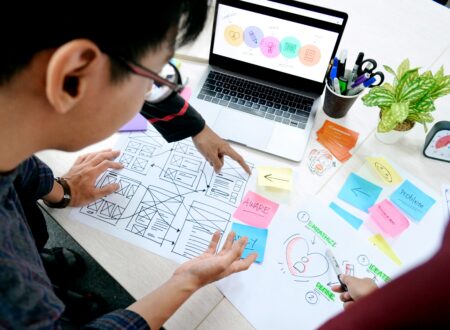

Understanding Modern Design Principles
Modern design is built on the idea that less is more. It focuses on clean layouts, clear communication, and purposeful creativity. Instead of adding too many elements, modern design removes what is unnecessary and highlights what truly matters.
Simplicity in design does not mean lack of creativity—it means clarity. It allows the viewer to understand the message quickly without distraction.
Modern design combines structure with imagination. It creates visuals that are both functional and appealing.
When simplicity meets creativity, design becomes powerful and effective.
The Role of Minimalism in Modern Design
Minimalism is at the core of modern design. It emphasizes clean spaces, limited colors, and simple layouts.
Removing clutter helps improve focus. It makes the design easier to read and understand.
White space (empty space) plays an important role. It gives breathing room to the elements and improves visual balance.
Minimal design is not about doing less work—it is about making smarter choices.
Simplicity enhances the overall impact of the design.
Balancing Creativity with Clarity
Creativity brings uniqueness, but it must be balanced with clarity. A design should be visually interesting while still being easy to understand.
Using creative elements like shapes, colors, and typography can make your design stand out. However, overusing them can create confusion.
The goal is to support the message, not distract from it.
When creativity and clarity work together, the design becomes both engaging and effective.
Balance is the key to successful modern design.
Using Color, Typography, and Layout Effectively
Every element in design has a role. Colors create emotion and attract attention. Typography defines readability and tone.
Choosing a limited color palette keeps the design clean and consistent. Using the right fonts improves clarity and style.
Layout organizes information. A well-structured layout guides the viewer’s eye and makes the content easy to follow.
Alignment, spacing, and contrast help create a balanced composition.
Using these elements wisely makes your design more professional and impactful.
Creating User-Friendly and Functional Designs
Modern design is not just about appearance—it is about usability. A design should be easy to navigate and understand.
User-friendly design improves experience. Whether it is a website, app, or graphic, it should be simple to use.
Clear navigation, readable text, and logical structure make a design more effective.
Functionality ensures that the design serves its purpose.
A good design always puts the user first.
Designing with Purpose and Innovation
Every design should have a purpose. Understanding the goal helps you make better decisions.
Innovation allows you to bring new ideas into your work. It keeps your designs fresh and relevant.
Combining purpose with creativity leads to meaningful design.
Continuous learning and experimentation help you improve your skills.
In the end, modern design is about creating something that is simple, creative, and effective.