1. The Journey from Thought to Visual Creation
Every great design begins with a simple idea. It may start as a rough thought, a spark of inspiration, or a problem that needs a creative solution. However, turning that idea into a visual reality requires a clear process and a structured approach.
The journey begins with understanding the idea deeply. What is the purpose behind it? What message should it convey? Answering these questions helps shape the direction of the design. Without clarity, even the most creative ideas can lose their impact.
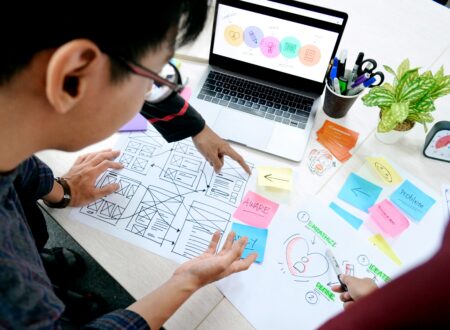
Visualization is the next step. This is where imagination plays a key role. You begin to picture how the idea might look—its layout, colors, and overall feel. Sketching or brainstorming helps bring these thoughts closer to reality.
Execution follows visualization. Using design tools and techniques, you transform your concept into an actual design. This stage requires both creativity and technical skill to ensure the idea is represented effectively.
The journey from thought to creation is not always linear. It involves experimentation, adjustments, and refinement. But with patience and persistence, even the simplest idea can become a stunning visual masterpiece.
2. Understanding the Purpose Behind Every Design
A design without purpose is just decoration. To create something truly impactful, you must understand why the design exists and what it aims to achieve.
Purpose guides every decision in the design process. It determines the choice of colors, typography, layout, and imagery. When your design has a clear purpose, it becomes more focused and effective.
For example, a website design may aim to provide information, sell a product, or create a brand identity. Each purpose requires a different approach. Understanding this helps you create designs that meet specific goals.
Audience also plays a crucial role in defining purpose. A design meant for professionals will differ from one targeting a younger audience. Knowing your audience ensures that your design resonates with them.
When purpose and audience are aligned, your design becomes more than just visuals—it becomes a tool for communication and engagement.
3. Using Creativity and Tools to Bring Ideas to Life
Creativity is what makes your design unique, but tools are what help you bring that creativity to life. The combination of both is essential for creating stunning visuals.
Design tools like Figma, Photoshop, Illustrator, or Canva provide the platform to experiment and execute your ideas. They allow you to manipulate colors, shapes, and layouts with precision.
However, tools alone are not enough. Creativity drives how you use them. It helps you think outside the box and explore new possibilities. Experimenting with different styles, compositions, and techniques can lead to innovative results.
Learning new tools and techniques also enhances your ability to create. The more skilled you are, the easier it becomes to turn your ideas into reality.
At the same time, it’s important not to overcomplicate your design. Using tools wisely and focusing on your concept ensures that your creativity shines through without distraction.
The goal is to use tools as a support for your ideas, not as a replacement for creativity.
4. Refining Details to Achieve Perfection
A good design becomes great through refinement. Attention to detail is what transforms a simple visual into something truly stunning.
Refinement involves reviewing and improving every element of your design. This includes adjusting spacing, aligning elements, choosing the right colors, and ensuring consistency. Small changes can make a big difference in the overall look and feel.
Typography is one area where detail matters greatly. The choice of font, size, and spacing affects readability and visual appeal. Ensuring that text is clear and well-placed enhances the design’s effectiveness.
Color balance is another important aspect. Harmonizing colors creates a cohesive look and prevents the design from feeling overwhelming. Subtle adjustments can improve the overall aesthetic.
Feedback is also valuable during refinement. Getting a fresh perspective can help identify areas that need improvement. Sometimes, what seems perfect to you may benefit from minor changes.
Perfection in design is not about adding more—it is about refining what already exists. It is the final step that elevates your work to a professional level.
5. Creating Visuals That Inspire and Connect
The ultimate goal of design is not just to look impressive but to inspire and connect with people. A stunning visual should evoke emotion, communicate a message, and leave a lasting impression.
Emotional connection is key. Designs that make people feel something—whether it’s excitement, trust, or curiosity—are more memorable. This connection helps your work stand out and resonate with your audience.
Clarity also plays a role in connection. A design that is easy to understand allows the viewer to engage with it more effectively. When your message is clear, your impact becomes stronger.
Originality is another important factor. Creating something unique ensures that your design is not lost among others. Adding your personal style or perspective makes your work distinctive.
Finally, always design with intention. Every element should serve a purpose and contribute to the overall message. When your design is meaningful, it becomes more powerful.
Turning ideas into stunning visual reality is about combining creativity, skill, and purpose. When these elements come together, you create designs that not only look beautiful but also inspire and connect with your audience.